Futures Trading Margin And Leverage: Understand The Obligation Before The Trade
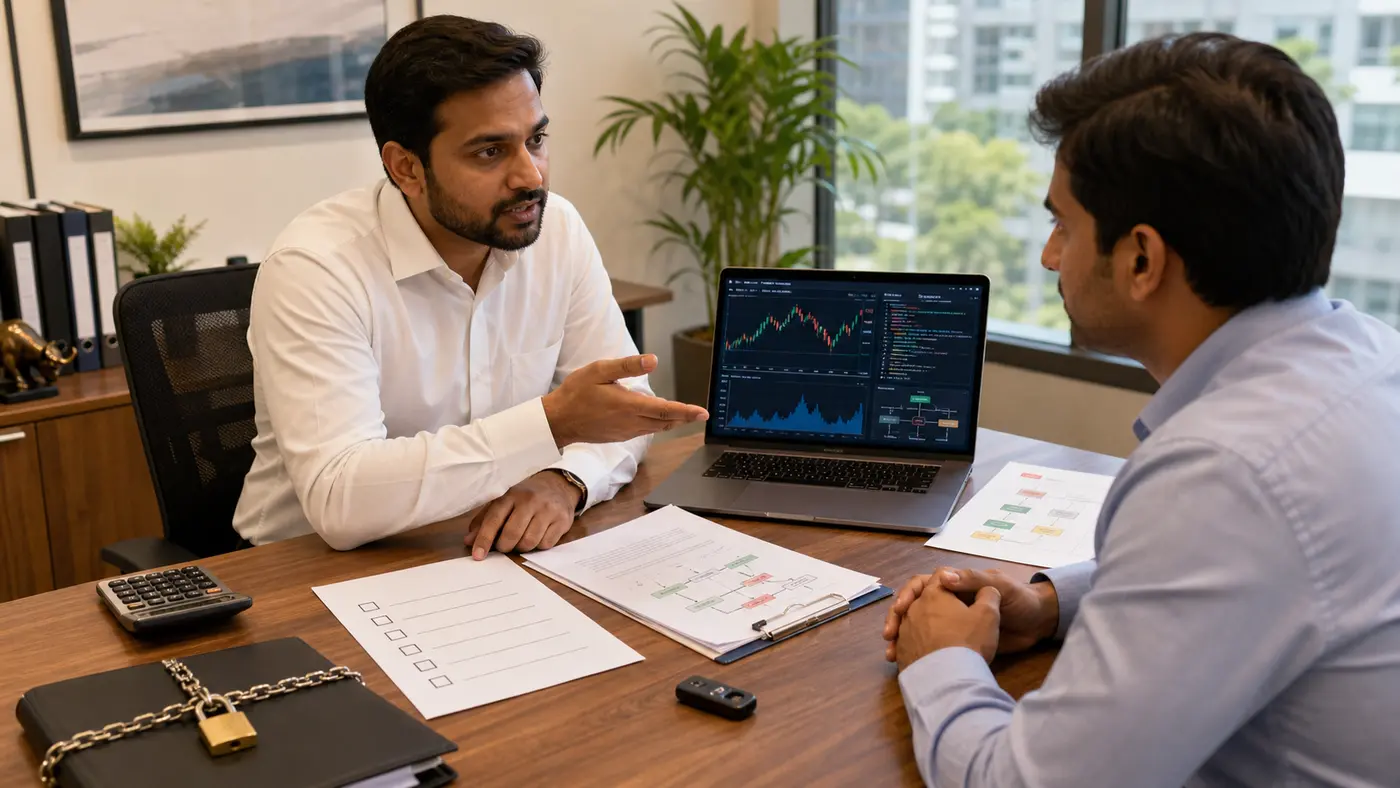
Futures trading can look efficient because the trader does not pay the full contract value upfront. That is also the risk. Margin creates leverage, and leverage can magnify both gains and losses. For beginners, the first lesson is that a futures contract is an obligation, not a casual market view.

Margin Is Not The Full Cost Of Risk
In a futures contract, the trader takes exposure to an underlying asset or index through a standardized exchange-traded contract. The trader places margin as required by the exchange, clearing corporation and broker framework. This margin is a risk-control deposit, not the maximum possible loss.
Because the contract exposure can be much larger than the margin placed, even a small adverse price movement can have a meaningful effect on capital. This is leverage. It can work quickly in either direction.
| Term | Simple meaning | Risk question |
|---|---|---|
| Margin | Money blocked as part of the risk-management framework for the futures position. | Do I understand that margin is not my maximum loss? |
| Leverage | Exposure that is larger than the cash placed as margin. | Can I handle a fast adverse move without forced exit? |
| Daily settlement | Futures positions are marked to market through the clearing and settlement process. | Do I have liquidity for losses and margin requirements? |
Leverage Magnifies The Speed Of Decisions
A futures position can move against the trader before there is time to rethink the original view. If margin falls short, additional funds may be required. If funds are not arranged, the broker may square off positions as per risk policy and market conditions.
This is why futures trading should begin with risk capacity, not prediction. The trade plan should define position size, stop-loss, available liquidity and exit rule before order placement.
Mark-To-Market Makes Losses Operational
Futures losses are not only theoretical. The clearing and settlement framework marks positions to market, which means adverse movements can create immediate funding pressure. This is different from buying a share for delivery, where the investor has paid the full purchase value and does not face daily margin calls in the same way.
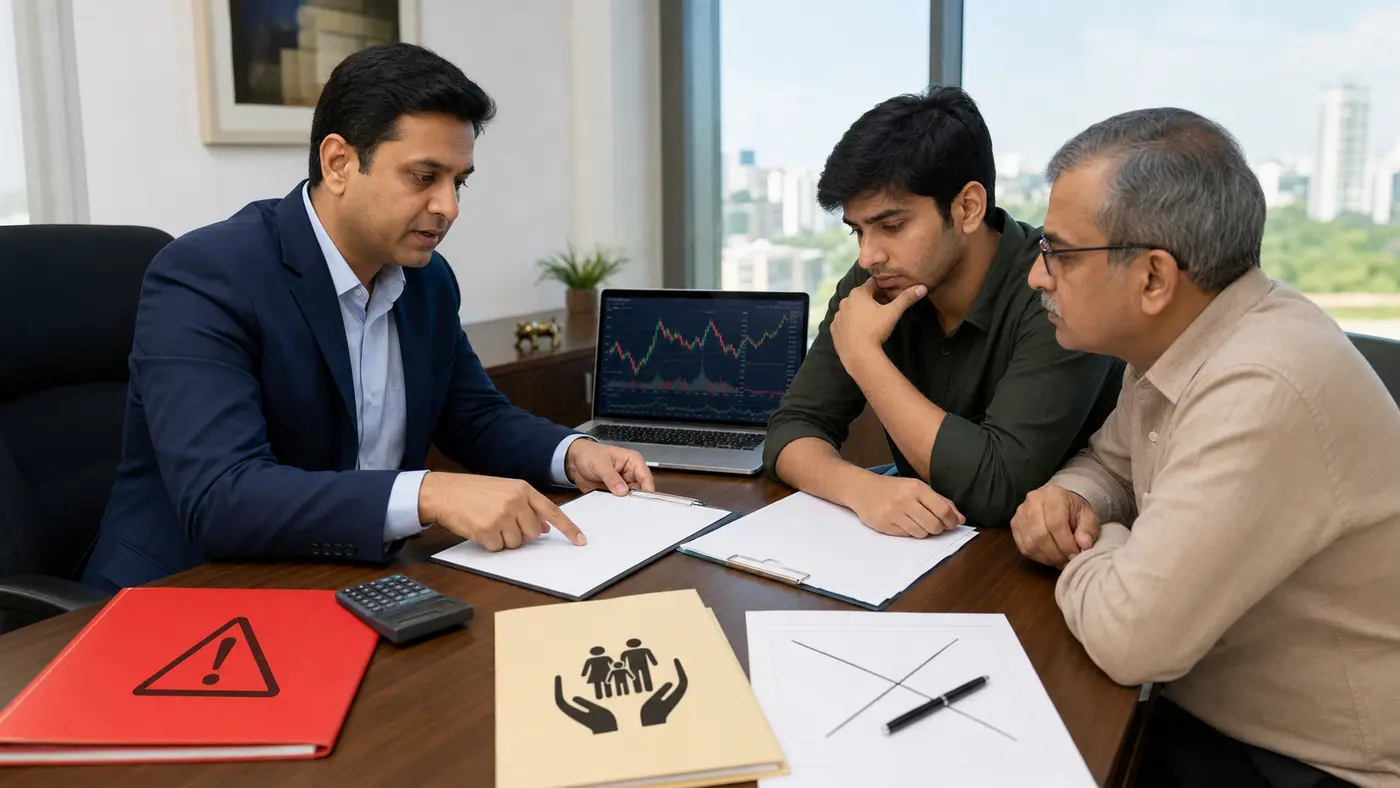
Beginners should therefore avoid using capital that is needed for household expenses, loan payments, emergency funds or near-term goals.
What SEBI's Retail F&O Data Shows
SEBI's study on individual traders in the equity F&O segment reported high loss incidence during FY22 to FY24. Futures margin and leverage make this data especially relevant because losses can expand faster than expected when exposure is larger than cash placed.
| SEBI-reported finding | Data point | Margin-risk lesson |
|---|---|---|
| Loss-making traders | 93% of individual traders incurred losses in equity F&O. | Leverage needs suitability checks before the trade. |
| Aggregate losses | Losses exceeded Rs. 1.8 lakh crore over the study period. | Repeated leveraged trades can erode capital rapidly. |
| Profits after transaction costs | Only about 1% of individual traders earned profits above Rs. 1 lakh after costs. | Costs, turnover, funding and risk control matter with direction. |
A Margin Call Readiness Review
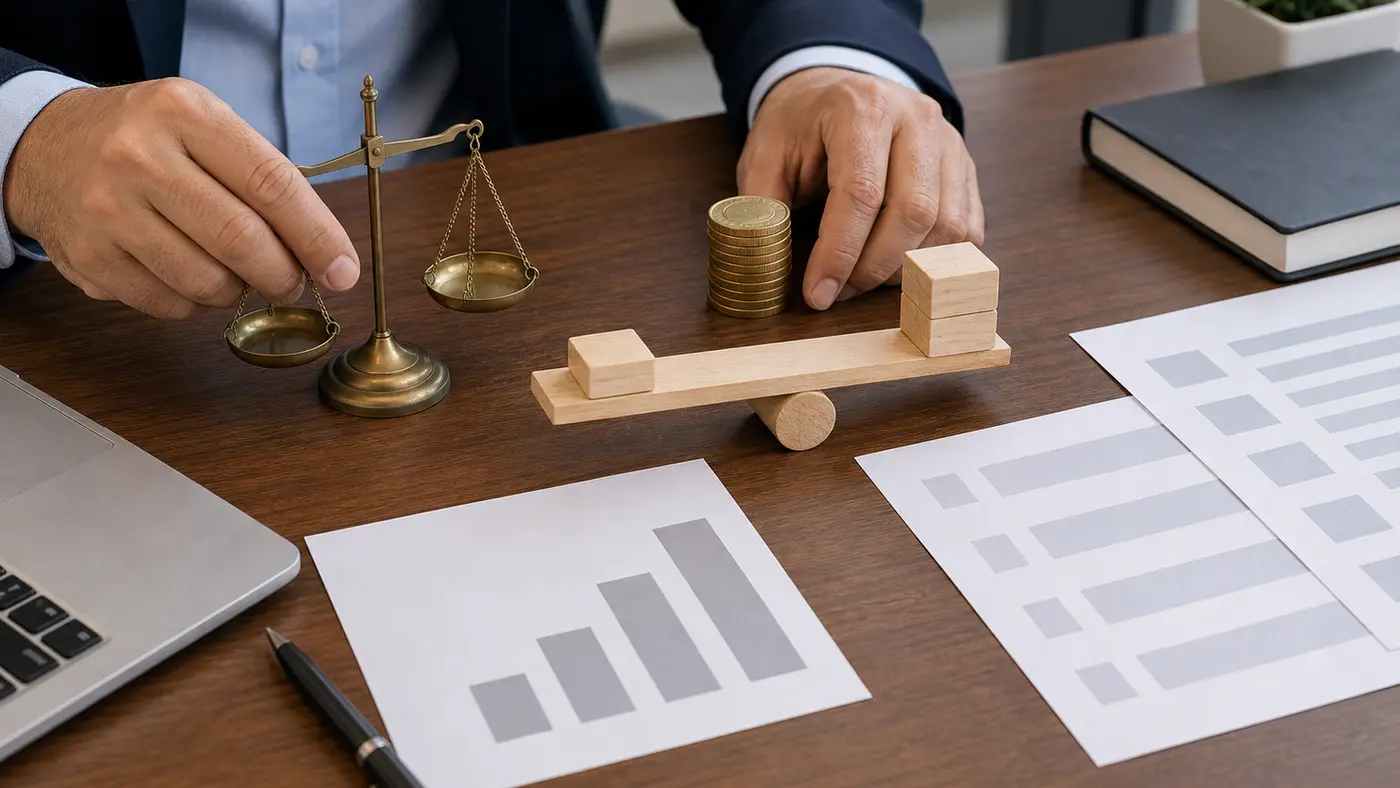
Before taking a futures position, connect four items: contract exposure, margin requirement, available surplus cash and exit discipline. A trader who has only enough money for the initial margin may not be ready for the position. The trade must survive adverse movement without disturbing essential savings or emergency funds.
| Check | Question before entry | If unclear |
|---|---|---|
| Exposure | What is the contract exposure compared with my trading capital? | Reduce size or avoid the trade. |
| Liquidity buffer | Do I have surplus cash for adverse movement and margin changes? | Do not use emergency or borrowed funds. |
| Stop-loss | Where will I exit if the view is wrong? | Write the exit rule before order placement. |
| Event risk | Is there an event that can create a gap move? | Avoid oversized positions around uncertain events. |
Common Mistakes
Beginners often confuse margin with affordability. Some increase futures size because the initial margin appears manageable. Others add funds after losses without reassessing the original trade thesis. These habits can turn one wrong view into a larger capital problem.
A better futures process starts with maximum acceptable loss, liquidity buffer and a written exit plan.
How Abhipra Can Help
Abhipra's advisory and risk teams help investors understand derivatives suitability, trading discipline, demat-linked market access and regulatory safeguards before taking market exposure.
Understand Abhipra's market access support: Depository Services
Read more investor education: Market Updates
Speak with the team: Contact
Source Links
Sources checked on July 24, 2026:
- SEBI investor education on derivatives
- SEBI study on profit and loss of individual traders in equity F&O
- NSE equity derivatives contract information
- NSE Clearing settlement mechanism for equity derivatives
- NSE Clearing risk management for equity derivatives
Disclaimer
This article is for educational and informational purposes only. It should not be considered investment advice, trading advice, tax advice or insurance advice. Investments in securities market are subject to market risks. Please read all related documents carefully before investing. Past performance is not indicative of future returns. Please consult a qualified financial advisor, tax advisor or insurance advisor before making any financial decision.
Reviewed by Abhipra Research / Compliance Team.