Central Autonomous Body NPS Choices: What the Six Investment Options Mean
If you work for a Central Autonomous Body (CAB), an NPS investment choice is now more than a default-versus-one-lifecycle decision. PFRDA’s July 2026 circular added two Auto Choice options, taking the available CAB choices to six. More choice can improve fit—but it also makes it important to check eligibility, horizon and risk capacity before changing anything.

Check the category before comparing options
This update is for Central Autonomous Body subscribers. It does not automatically apply to every Central Government, State Government, corporate or All Citizen subscriber. Start with your employer/Nodal Office classification and CRA record, then review the options that actually appear for your account.
The circular describes one Default Scheme, one Active Choice that invests solely in Government Securities, and four lifecycle Auto Choices. A non-default selection also requires choosing one Pension Fund registered with PFRDA.
The six options in one view
| Choice | How it works | Equity exposure stated in the July 2026 circular |
|---|---|---|
| Default Scheme | A predefined asset-allocation pattern managed by three Pension Funds. | The circular does not frame this as a subscriber-selected lifecycle glide path. |
| Active Choice | Investment solely in Government Securities. | 0% equity under this option. |
| Life Cycle 25 — Low | Auto Choice with a lower equity glide path. | 25% until age 35; tapers to 5% at age 55 and continues until exit. |
| Life Cycle 50 — Moderate | Auto Choice with a middle equity glide path. | 50% until age 35; tapers to 10% at age 55 and continues until exit. |
| Life Cycle 75 — High | New Auto Choice with higher initial equity exposure. | 75% until age 35; tapers to 15% at age 55 and continues until exit. |
| Life Cycle — Aggressive | New Auto Choice with a later age checkpoint. | 50% until age 45; tapers to 35% at age 55 and continues until exit. |
The data above is a glide-path description, not a return chart. The comparison axis is subscriber age; the measure is equity allocation, not a promise of performance. The inference is that the new choices differ most in the maximum equity level, the age at which tapering begins, and the equity level retained at age 55.
A decision sequence before making a request
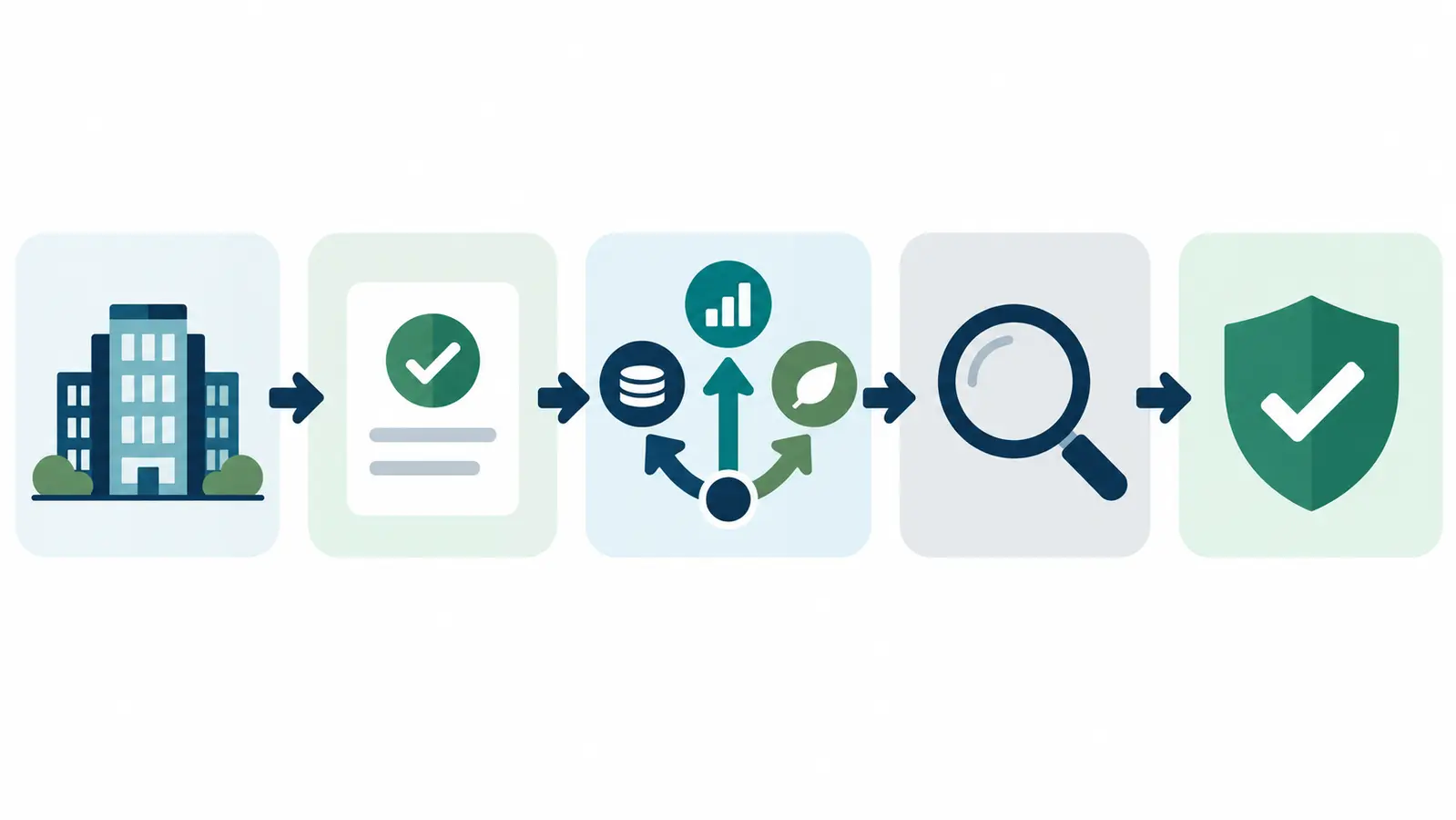
The visual is a left-to-right workflow with no axes because it represents process steps, not a numerical series:
- Confirm CAB status. Check the employer/Nodal Office and CRA classification instead of assuming every government employee uses the same menu.
- Confirm that a choice is available. Review the options visible in the authenticated account or use the appropriate service route.
- Match the glide path to the horizon and risk capacity. Higher equity exposure can mean larger ups and downs; a long time horizon does not by itself make one option suitable.
- Review Pension Fund information. For a non-default choice, select one PFRDA-registered Pension Fund and compare scheme- and fund-level information over a relevant period, rather than chasing a short recent result.
- Retain the acknowledgement. Verify the request in the account record and keep its reference number for follow-up.
Three questions worth writing down
- Is my PRAN actually classified under a Central Autonomous Body employer route?
- Can I tolerate the market movement associated with the selected equity glide path without making a hurried switch?
- Have I reviewed my retirement horizon, other retirement assets and the current account record—not merely the highest recent return?
PFRDA encourages subscribers to exercise choices judiciously using updated scheme-wise and Pension-Fund-wise information available through NPS Trust. Past performance and any asset allocation are not assured future outcomes.
Where Abhipra can help
Abhipra has acted as a Point of Presence for 17 years. For general NPS support, see NPS & Pension. A CAB subscriber should follow the applicable employer/Nodal Office and authenticated CRA process for account-specific investment-choice requests; this article does not replace that process.
FAQs
Does the July 2026 circular give every NPS subscriber six options?
No. It specifically addresses Central Autonomous Body subscribers. Confirm your category and the choices available in your own account.
Is the Life Cycle 75 option a forecast of higher returns?
No. It specifies a higher equity allocation before the stated taper. Equity exposure involves market risk and does not assure a result.
What must a CAB subscriber do when selecting a non-default option?
Choose one of the five non-default investment options and select one Pension Fund registered with PFRDA, subject to the applicable account process.
Source Links / Disclaimer
Read PFRDA’s 9 July 2026 CAB investment-choice circular and use NPS Trust for current scheme- and Pension-Fund-level information. This is general investor education, not personalised investment, tax or employment advice. NPS investments are subject to market risk; rules and available options may change.