How to Start Investing in India: A Beginner's Roadmap
Investing should begin with readiness, not guesswork. Before choosing a stock, mutual fund, IPO or any other product, a first-time investor should set up the right accounts, understand the risk, and know how to keep the account secure.
Start With Readiness, Not Product Selection
Many new investors start with the question: "What should I buy first?" A better starting point is: "Am I ready to invest safely?"
The SEBI Investor Charter expects investors to understand risks, deal with SEBI-recognised or registered intermediaries, read documents carefully, know charges, track statements and protect account credentials. These basics reduce avoidable mistakes before the first transaction is placed.
Your Five-Step Beginner Roadmap
- Keep your PAN, identity proof, address proof and bank details ready.
- Open a demat account to hold securities digitally.
- Open or link a trading account for buy and sell transactions.
- Complete KYC and account-opening documents through a SEBI-registered intermediary.
- Review risk, charges, statements and account security before investing.
NSE's beginner guidance states that a capital market investor generally needs a PAN card, bank account and demat account, and should select a SEBI-registered broker, complete KYC and agreement forms, receive a unique client ID and then buy or sell securities through the account.
Documents And Account Setup
Before opening an investment account, keep these ready:
- PAN card.
- Bank account details.
- Identity proof and address proof.
- Mobile number and email access for verification.
- A clear investment purpose, such as emergency reserve, wealth creation, child education, home purchase or retirement.
NSE's account-opening guidance explains that a demat account holds securities digitally, while a trading account connects the bank account and demat account for transactions.
Open Your Abhipra Account Online
To begin the account-opening process, use this official link: Open your Abhipra account online.
Action points:
- Keep PAN, identity proof, address proof, bank details and a recent photo ready.
- Visit Open your Abhipra account online.
- Verify that you are on the official eKYC page before entering details.
- Complete mobile, email and KYC verification carefully.
- Read the account-opening form, brokerage terms, charges and risk disclosure documents before submitting.
- Save the confirmation, account details and client ID for your records.
- Never share passwords, OTPs, login IDs, DIS details or account credentials with anyone.
Mistakes To Avoid
- Acting on tips before defining goals.
- Investing without understanding risk and liquidity.
- Ignoring brokerage, taxes, charges or exit costs.
- Skipping account-opening and product documents.
- Sharing OTPs, passwords or login credentials.
- Not checking contract notes, demat statements and transaction alerts.
First Transaction Checklist
Before placing your first transaction, ask:
- Is the intermediary regulated?
- Do I understand the product and its risk?
- Have I checked costs, charges and taxes?
- Is this investment linked to a real goal?
- Can I stay invested for the required time horizon?
- Have I saved the account documents and support contacts?
- Have I secured my login and kept credentials private?
Roadmap At A Glance
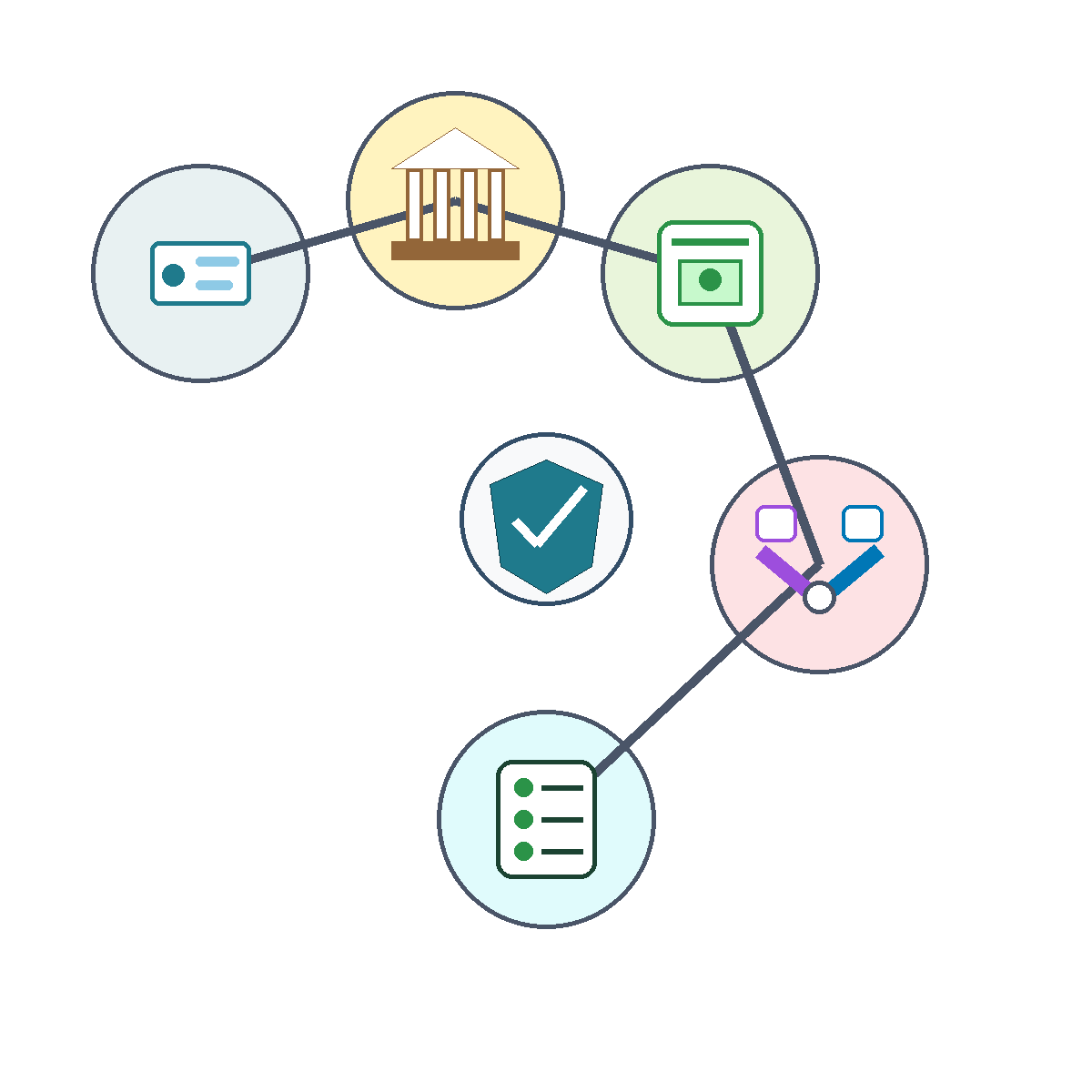
Text version of the visual:
- Identity readiness: PAN, identity proof and address proof.
- Bank readiness: a verified bank account for fund movement.
- Demat readiness: a digital account to hold securities.
- Intermediary readiness: a SEBI-registered broker and completed KYC/agreement process.
- Safety readiness: document review, account monitoring and credential protection.
Final Thought
A good investing journey starts with structure. Once your account is ready, do not rush into the first product that looks exciting. Start with a goal, understand the risk, read the documents and invest only when the product is suitable for you.
Reviewed by Abhipra Research / Compliance Team.
Source Links
Disclaimer
This article is for educational and informational purposes only. It should not be considered investment advice, trading advice, tax advice or insurance advice. Investments in securities market are subject to market risks. Please read all related documents carefully before investing. Past performance is not indicative of future returns. Please consult a qualified financial advisor, tax advisor or insurance advisor before making any financial decision.