NPS Withdrawal Rules: What Investors Should Know Before Investing
NPS is designed for retirement, not for routine liquidity. That is the first rule investors should remember before opening an account or increasing contributions. The scheme allows withdrawals, but the timing, percentage and tax outcome are not the same in every situation.

The Real Question Is Not Only How Much Can Be Withdrawn
The practical question is: what job should the NPS corpus do after retirement?
- A lump sum can support debt repayment, medical reserves, house repairs or family commitments.
- An annuity converts part of the corpus into a pension-style income stream.
- Partial withdrawal can help during specific needs before retirement, but it should not be treated like an ordinary savings-account withdrawal.
- Tax treatment is separate from withdrawal permission. A rule may allow withdrawal of a higher percentage, but the tax exemption may still have its own statutory limit.
Current NPS Withdrawal And Exit Snapshot
| Situation | Current treatment | Investor action point |
|---|---|---|
| Partial withdrawal before normal exit | Before age 60, partial withdrawal frequency is 4 times with a 4-year interval between withdrawals. Post age 60, frequency is unlimited with a 3-year interval, subject to the stated 25% of contribution condition. | Keep contribution records and use partial withdrawal for genuine planned needs, not for regular cash-flow gaps. |
| Premature exit before age 60 or before 15 years | Up to 20% can be taken as lump sum and at least 80% must normally be used for annuity. If the corpus is up to Rs 5 lakh, 100% lump sum or other approved payout options are allowed. | Avoid assuming NPS can be closed like a flexible investment. Premature exit is intentionally restrictive. |
| Normal exit after age 60 or 15 years | Up to 80% can be taken as lump sum and at least 20% must normally be used for annuity. Corpus-specific exceptions apply up to Rs 12 lakh. | Plan the lump-sum use before exit. The annuity portion should be compared across eligible annuity service providers. |
| Small corpus at normal exit | For corpus up to Rs 8 lakh, 100% lump sum or approved payout options are available. For corpus above Rs 8 lakh and up to Rs 12 lakh, up to Rs 6 lakh can be taken as lump sum and the balance can move through SUR for a minimum of 6 years or annuity. | Do not apply the standard percentage mechanically. Check the corpus band and the available payout route. |
| Exit due to death | 100% lump sum is permitted. Additional options such as SLW, SUR, annuity or other approved options may also be available. | Keep nomination, KYC and family documentation updated so the nominee does not face avoidable delays. |
The 80% Rule Needs A Tax Check
The current withdrawal framework permits up to 80% lump-sum withdrawal at normal exit in the All Citizen Model. That does not mean the entire 80% should automatically be treated as tax-free.
For tax planning, investors should separately review the Income-tax Act treatment. Current public tax discussion after Budget 2026 continues to treat the NPS maturity lump-sum exemption under Section 10(12A) as capped at 60% of the total amount payable, unless the tax law itself is amended. This is an important planning point where investors should take tax advice before exit.
How The Withdrawal Decision Usually Flows
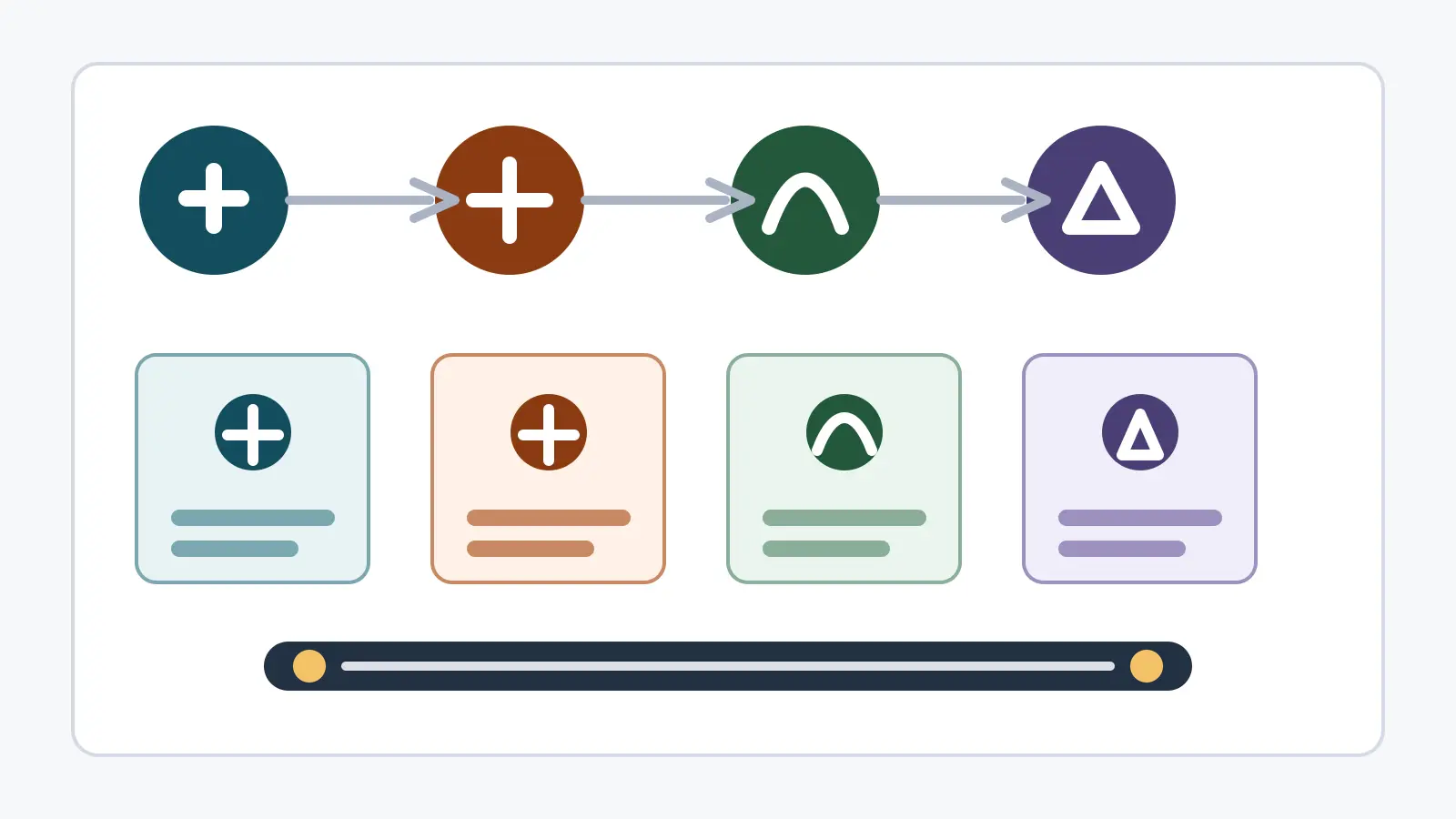
Start by identifying the event: partial withdrawal, premature exit, normal exit or death claim. Then check the applicable corpus band, lump-sum limit and annuity requirement. The final step is documentation: PRAN details, KYC, bank proof, nomination records, death documents where applicable, and tax review before claiming or reinvesting proceeds.
Annuity Is Not A Formality
At normal exit, at least 20% is normally meant for annuity under the current rule. In a premature exit, the annuity requirement is much higher unless the small-corpus exception applies.
An annuity service provider pays pension income after the annuity contract is purchased. Rates, variants, return-of-purchase-price terms and family-benefit structures can differ. Investors should compare options instead of choosing the first available form.

Before Investing, Ask These Five Questions
- Will I need this money before retirement, or can I genuinely keep it locked for pension planning?
- At normal exit, what would I use the lump sum for: debt, medical reserve, family goals or reinvestment?
- How much monthly pension do I expect from the annuity portion?
- Have I understood the difference between withdrawal permission and tax exemption?
- Are my nominee, mobile, email, bank and KYC details updated?
How Abhipra Can Help
Abhipra has acted as a Point of Presence for 17 years and can guide investors on NPS account opening, contribution setup, PRAN servicing, withdrawal documentation and NPS SIP setup.
- Learn about Abhipra's NPS & Pension services.
- Start online through Abhipra's NPS account opening link.
- Set up recurring contributions through Abhipra's NPS SIP link.
- For process queries, write to nps@abhipra.com.
Source Links / Disclaimer
Sources checked on July 12, 2026:
- PFRDA: NPS All Citizen Model
- PFRDA: Annuity Service Provider
- Abhipra: NPS & Pension services
- Economic Times: Budget 2026 discussion on NPS 60% maturity tax exemption
This article is for investor education. NPS rules, payout options, annuity terms and tax treatment may change. Please verify current rules and consult a qualified tax adviser before making investment, exit or withdrawal decisions.