How To Plan Retirement Income Using NPS, EPF, PPF And Mutual Funds Together
Retirement income planning should not depend on one account doing every job. NPS, EPF, PPF and mutual funds can each play a different role, but only when the investor first separates safety, liquidity, pension income and growth.
The useful question is not "Which product is best?" The better question is "Which rupee will pay which retirement need?"

Give Every Retirement Account A Job
A retirement plan usually needs four layers:
- regular income for monthly expenses;
- stable savings for known future needs;
- liquid money for emergencies and medical gaps;
- market-linked growth for long retirement years.
NPS can support pension discipline because part of the corpus is designed for annuity income at exit. EPF can act as a workplace-linked retirement base for eligible salaried employees. PPF can support long-term fixed-income discipline. Mutual funds can provide market-linked growth and flexibility, subject to scheme suitability and risk.
No single layer should be treated as the whole retirement plan.
The Retirement Income Map
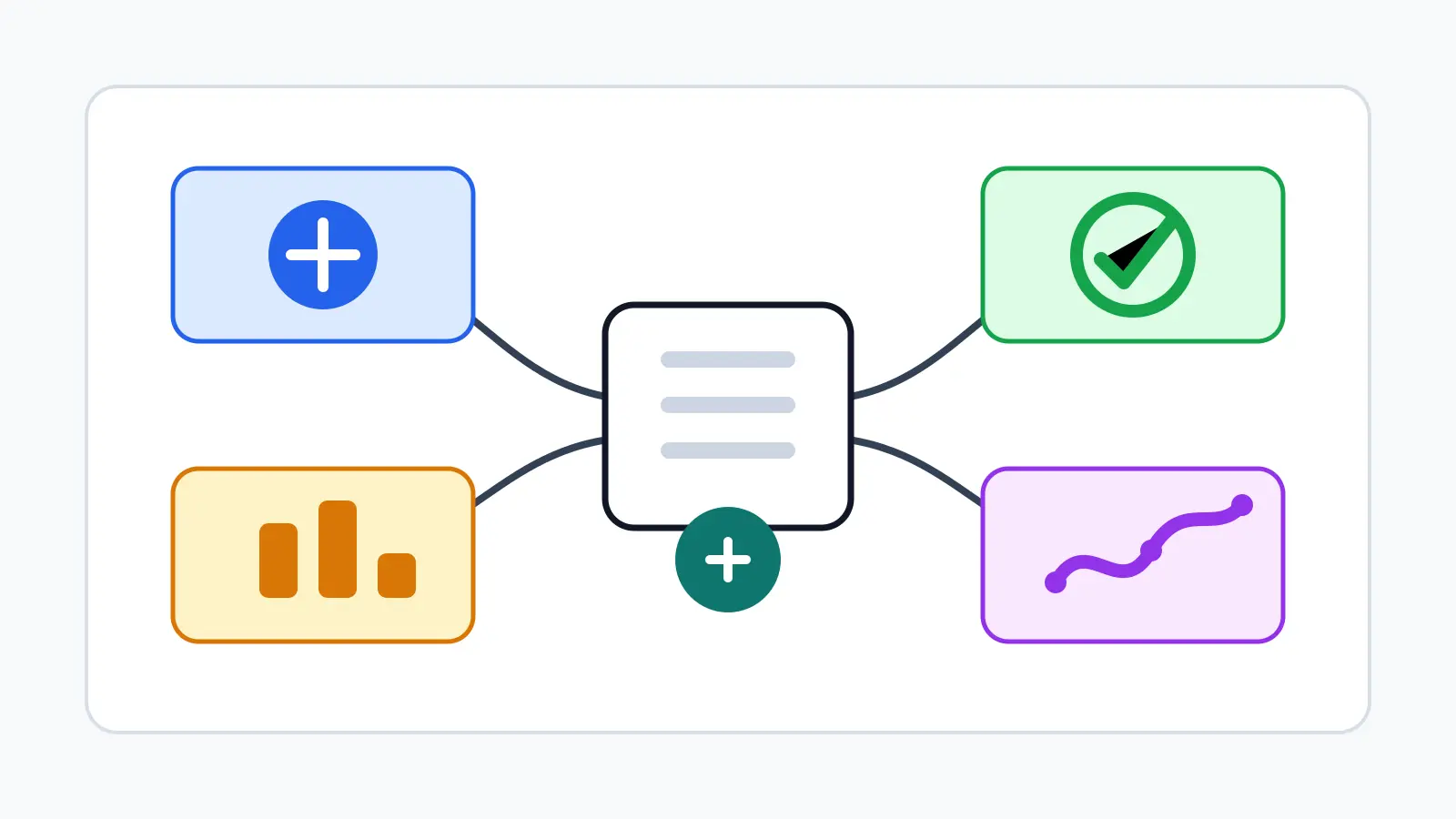
The map separates retirement money into four working buckets: pension-linked income, workplace retirement corpus, long-term fixed-income savings and flexible market-linked investments. The aim is to reduce confusion at retirement, not to prescribe one allocation for every family.
| Layer | Possible role | Planning caution |
|---|---|---|
| NPS | Retirement-focused, market-linked corpus with annuity-linked exit design. | Normal exit allows up to 80% lump sum and requires at least 20% annuity, subject to current rules and corpus-specific exceptions. |
| EPF | Workplace-linked retirement base for eligible salaried employees. | Keep UAN, nomination, KYC and passbook details updated; avoid sharing OTP, UAN, PAN, Aadhaar or bank details with callers. |
| PPF | Long-term fixed-income savings that can complement retirement planning. | Review current small-savings rules, extension choices, nomination and liquidity limits before relying on it for retirement cash flow. |
| Mutual funds | Market-linked flexibility for growth, withdrawal planning and goal-specific allocation. | Returns are not assured. Scheme category, asset allocation, taxation, volatility and withdrawal timing must be reviewed. |
Start With Expenses, Not Products
Before choosing contribution amounts, list expected retirement expenses:
- monthly household expenses;
- medical and insurance costs;
- home maintenance and family obligations;
- travel, lifestyle and gifts;
- emergency reserve;
- tax and documentation needs.
Then map each expense to an income source. Regular expenses may need pension or systematic cash flow. Emergency needs should not depend only on market-linked assets. Long-term inflation risk may need some growth assets, but only within the family's risk capacity.
NPS Needs Exit Planning Before Retirement
NPS should not be reviewed for the first time at exit. The investor should understand asset allocation, pension fund choice, annuity options, nomination and withdrawal rules in advance.
At normal exit, up to 80% can be taken as lump sum and at least 20% is used for annuity, subject to current rules and corpus-specific exceptions. This makes the retirement decision practical: decide how much liquidity is needed, what pension option is suitable, and how the remaining household cash flow will be managed.
Keep Documents And Nomination Clean

The desk review shows the work a family should complete before retirement: update nomination, collect account statements, check KYC, review tax documents, compare annuity options, keep emergency cash separate, and write down who in the family knows where each record is stored.
This is also where many families discover gaps. One account may have an outdated nominee. Another may have an old mobile number. A spouse may not know how to access account statements. Retirement income planning is partly financial and partly administrative.
How Abhipra Can Help
Families reviewing NPS continuation, NPS exit planning, annuity choice, contribution setup or retirement documentation can connect with Abhipra's NPS Desk. Abhipra has acted as a Point of Presence for 17 years and can guide investors through process steps without turning the discussion into a product pitch.
Learn more about Abhipra's NPS and pension services.
Eligible investors can use Abhipra's online NPS PoP link or set up contribution discipline through Abhipra's NPS SIP PoP link.
For NPS queries, write to Abhipra's NPS Desk.
Reviewed by Abhipra NPS / Compliance Team.
Source Links And Disclaimer
Sources checked on July 10, 2026: PFRDA NPS All Citizen Model, Employees' Provident Fund Organisation, India Post small savings schemes, Association of Mutual Funds in India, and Abhipra NPS and pension services.
This article is for educational and informational purposes only. It is not investment, tax, legal or retirement-planning advice. NPS, EPF, PPF and mutual funds are governed by different rules, risks, tax treatment, liquidity conditions and operational procedures. Investors should verify current rules, evaluate suitability and consult qualified advisers before making retirement decisions.