Futures vs Options: Same Market, Very Different Risks
Futures and options are both derivatives, but they do not behave the same way. A beginner who treats them as interchangeable can misunderstand obligation, premium, margin, expiry and loss exposure.

The key difference is simple: futures usually create an obligation under the contract, while options give the buyer a right and place an obligation on the seller under the option contract. That difference changes how risk, cash flow and decision-making should be handled.
The Difference Starts With Obligation
A futures position moves closely with the underlying asset and generally requires margin. An option buyer pays a premium for a right linked to the underlying, while an option seller receives premium but accepts obligation and margin risk. Both can be risky, but the shape of risk is different.
| Point of comparison | Futures | Options |
|---|---|---|
| Basic nature | Contractual exposure with obligation as per contract terms. | Buyer has a right; seller accepts obligation as per contract terms. |
| Upfront cash | Margin is required and may change with market movement. | Option buyer pays premium; option seller needs margin. |
| Risk driver | Direction and size of price movement in the underlying. | Direction, time to expiry, volatility, strike price and liquidity. |
| Expiry effect | Position is settled as per contract and exchange rules. | Time value can erode; timing matters even when the broad view is right. |
| Beginner concern | Exposure can be large compared with margin paid. | Low premium does not automatically mean low risk; option selling can carry large losses. |
This comparison is educational and simplified. Actual contract specifications, settlement process, margin requirements and product availability should be checked from official exchange and broker disclosures before any transaction.
Why Premium Is Not The Same As Risk
Many beginners see a small option premium and assume the trade is small. For an option buyer, the premium paid can still be fully lost if the expected move does not happen in time. For an option seller, the premium received is not the maximum possible loss.
Futures have a different issue. The margin paid is not the full exposure. A trader can face mark-to-market losses and additional margin requirements if the market moves sharply against the position.
An Illustrative Risk Dashboard
The following example is only a learning model. It does not describe any live security, index, contract or recommendation.
| Question | Why futures may need caution | Why options may need caution |
|---|---|---|
| Is the position size understood? | Margin can make exposure look smaller than it is. | Low premium can make frequent buying feel harmless. |
| Is the exit rule written? | Loss can expand quickly with directional movement. | Time decay and volatility changes can affect the exit. |
| Is liquidity checked? | Thin contracts may be harder to exit at expected prices. | Wide spreads can reduce or erase expected trade benefit. |
| Can loss be absorbed? | Additional margin may be required during adverse movement. | Premium loss or seller-side losses can disturb the trader's cash plan. |
Read The Contract Before The Strategy
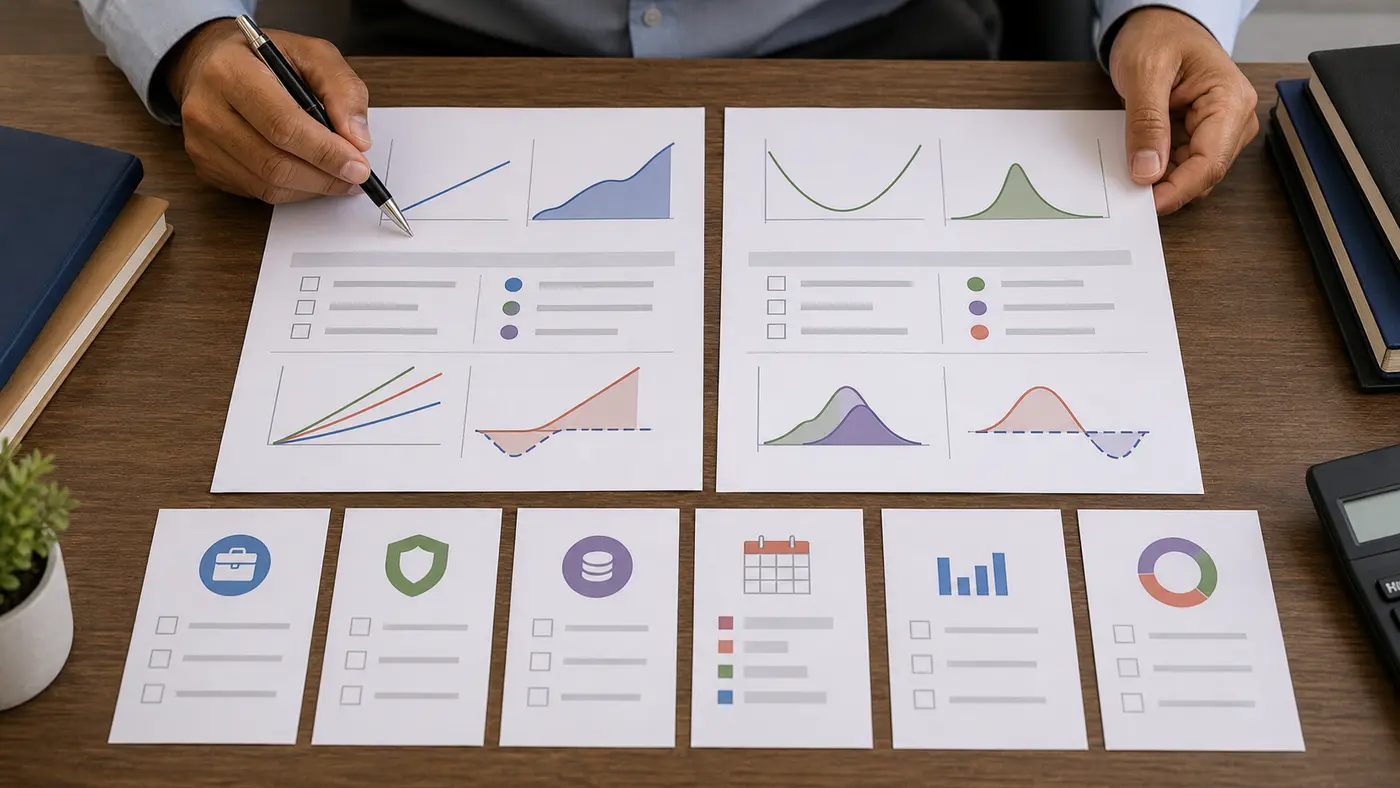
A disciplined comparison starts with the contract sheet, then the risk sheet, then the exit rule. The supporting visual keeps the two decision paths side by side because futures and options should be compared on obligation, cash requirement, expiry behaviour and downside risk before strategy selection.
Common Mistakes
Common mistakes include treating futures margin as total risk, treating option premium as a small bet, selling options without understanding margin calls, trading near expiry without a plan, and copying strategies that were designed for a different risk profile.
Beginners should learn the product mechanics first. If the contract, payoff, margin, expiry and exit rule are not clear, the trade should wait.
How Abhipra Can Help
Investors and traders who want to understand F&O basics, demat and trading account processes, risk controls or disciplined market participation can connect with Abhipra's service teams.
Explore Abhipra's services:
Source Links
Sources checked on July 17, 2026:
- SEBI investor website for investor education and protection resources
- NSE website for exchange and derivatives information
- BSE derivatives reports section
Disclaimer
This article is for investor education only and is not investment advice, research recommendation, or a solicitation to trade in futures, options, securities or any financial product. Futures and options involve significant risk and may not be suitable for every investor. Investors and traders should read official exchange, broker and regulatory disclosures, understand product risks, and consult a qualified professional before making decisions.
Reviewed by Abhipra Research / Compliance Team.