Why Averaging Down Can Be Risky: Add Capital Only After The Thesis Survives
A falling stock can make an investor feel that the same company is now available at a discount. Sometimes that may be true. Often, however, averaging down simply increases exposure to a mistake that has not been reviewed properly.

Averaging Down Is A Capital-Allocation Decision
Averaging down means buying more of a stock after its price has fallen so that the average purchase cost comes down. The arithmetic can look comforting, but the real question is not whether the average cost falls. The real question is whether the business case still deserves more money.
Before adding to a falling stock, an investor should separate three things:
- Price decline: the stock has fallen from the earlier purchase level.
- Thesis change: the business, balance sheet, industry or governance picture may have changed.
- Exposure increase: more capital is now tied to the same company and same risk.
The Arithmetic Can Hide The Risk
The following is an illustrative example, not a stock recommendation or return estimate.
| Action | Shares bought | Purchase price | Total capital deployed | Average cost |
|---|---|---|---|---|
| First purchase | 100 shares | Rs 100 | Rs 10,000 | Rs 100 |
| Second purchase after fall | 100 more shares | Rs 80 | Rs 18,000 | Rs 90 |
| Third purchase after further fall | 100 more shares | Rs 60 | Rs 24,000 | Rs 80 |
The average cost has fallen from Rs 100 to Rs 80. But the investor has also increased capital deployed from Rs 10,000 to Rs 24,000. If the stock is at Rs 60 after the third purchase, the position is worth Rs 18,000 and the unrealised loss is Rs 6,000. Lower average cost did not remove risk; it increased the money exposed to the same stock.
What The Chart Shows
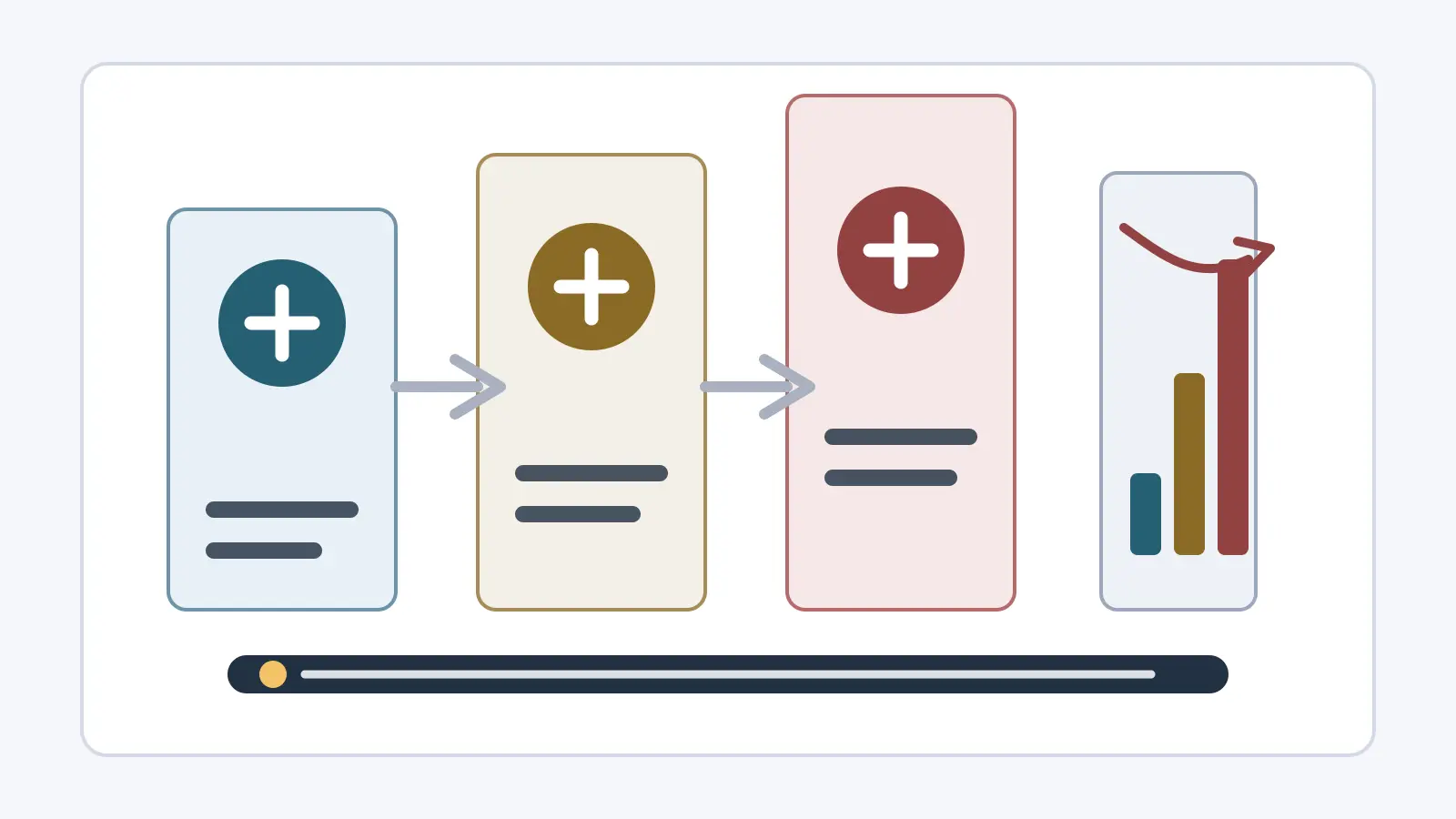
The visual shows three additional decision points. Each purchase reduces the average cost, but the total exposure keeps rising. That is why averaging down should be treated like a fresh investment decision, not an automatic response to a lower price.
When Averaging Down Becomes Dangerous
Averaging down is riskier when the investor is reacting to price instead of evidence. Warning signs include:
- the fall is linked to weak earnings, debt stress, governance concerns or repeated negative disclosures;
- the investor has not read recent exchange filings, results or management commentary;
- one stock is becoming too large a percentage of the portfolio;
- the investor is using emergency money, borrowed money or short-term cash;
- the only reason for buying more is to "recover faster".
Exchange filings, corporate announcements and investor-education resources should be reviewed before changing a position. A lower price is information, but it is not proof of value by itself.
A Better Rule Before Adding More
Before averaging down, write a short fresh-investment note:
- What was my original reason for buying?
- What has changed since then?
- Are sales, margins, debt, cash flow, governance and industry conditions still acceptable?
- What maximum portfolio percentage am I willing to allocate to this company?
- What evidence would make me stop adding or exit?
If the stock would not qualify as a fresh purchase today, averaging down may only be delaying a difficult decision.

How Abhipra Can Help
Investors who hold direct equity can connect with Abhipra for research-led portfolio review, demat and trading account support, and process guidance before making fresh capital-allocation decisions.
- Learn about Abhipra's Financial Markets services.
- Open or manage your account through Abhipra eKYC.
- For assistance, contact Abhipra.
Reviewed by Abhipra Research / Compliance Team.
Source Links
Sources checked on July 13, 2026:
- SEBI Investor Website
- NSE investor education resources
- BSE corporate filings and announcements
- BSE Investor Education
- Income Tax Department portal
Disclaimer
This article is for investor education only. It is not investment advice, a research recommendation, or an invitation to buy, sell or hold any security. Equity investments are subject to market risk. Investors should review suitability, concentration, liquidity, taxation and official disclosures before making any investment decision.